Home / Compare countries / Switzerland
Moving to Switzerland from the USA
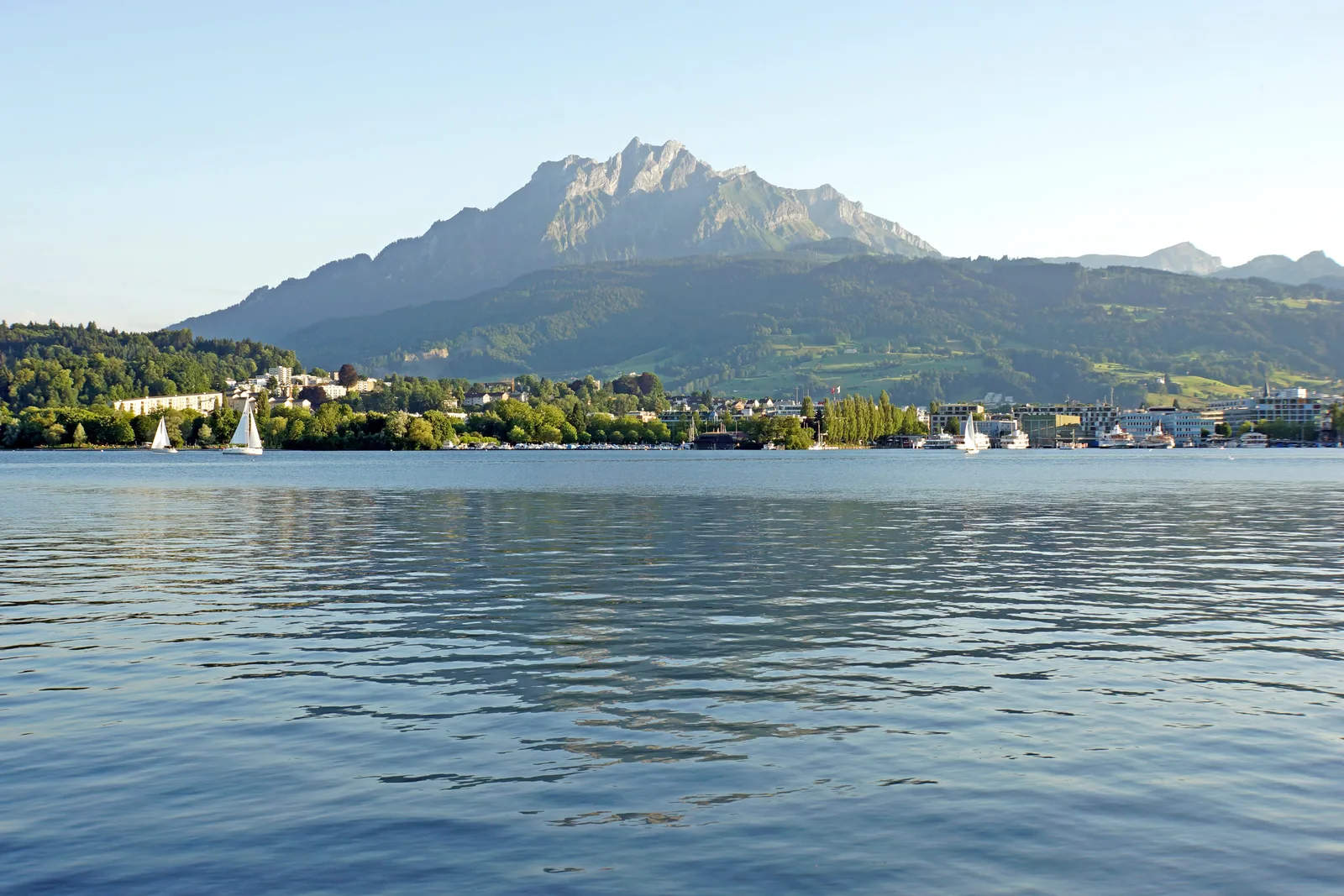
Switzerland is the postcard that is also true: alpine lakes, immaculate cities, trains that shame every other country's, and a standard of living near the top of the world. It is easy to see why people dream of it. It is also one of the hardest places for an American to settle without a specific job or serious wealth, and pretending otherwise wastes your time. Here is the honest version, and where you can actually put down roots.
Honestly, for most Americans there is no standard residency route to Switzerland. Below is the real picture, and the places that give you a genuine path.
- Region
- Europe
- Climate
- Temperate Alpine; four seasons, cold snowy mountain winters. Four seasons
- Monthly cost
- From about 3,000 to 4,500 CHF per month
- Who it is for
- Wealthy retirees only; no remote-worker route
- Tax posture
- US tax treaty in force
- Citizenship
- No standard citizenship path
This is a planning tool, not tax advice; verify with a cross-border professional.
Who can actually move to Switzerland?
Reviewed and current as of 2026-09-20.
For a remote worker:
No. Switzerland has no digital-nomad visa, and a US national is not granted a permit to live there and work remotely for a US employer. The remote-worker segment is effectively shut out. Where you can actually go: Portugal, France, Italy, or Germany.
State Secretariat for Migration (SEM), free movement Verified Verified as of 2026-06-19
For a retiree:
Only if you are wealthy. A B permit without gainful activity, typically age 55-plus, requires substantial means and is cantonally discretionary; the lump-sum taxation route effectively requires a wealthy retiree. For most retirees, Portugal, France, Italy, or Germany are the real options.
State Secretariat for Migration (SEM), free movement Verified Verified as of 2026-06-19
This is a planning tool, not tax advice; verify with a cross-border professional.
Where you can actually go
If Switzerland drew you in but the route does not exist, these corridors serve the same goal and have a real, documented path for US movers:
Which route applies to you
If you keep working remotely
No clean route. Switzerland has no digital-nomad visa, and a US national who wants to live there and work remotely for a US employer is not granted a permit on that basis. The remote-worker segment is effectively shut out. Look at corridors with a real nomad visa instead.
If you live on a pension or investments
Viable but narrow: a B permit without gainful activity (typically age 55-plus, particular ties, substantial means, cantonally discretionary) or a lump-sum taxation route that effectively requires a wealthy retiree.
The visa routes
- B permit without gainful activity
- For the financially independent; for US applicants this is discretionary, typically age 55-plus with particular personal ties to Switzerland, health insurance, and substantial means.
- Lump-sum taxation (forfait fiscal)
- Available in some cantons; 2026 minimum taxable base about CHF 435,000 federal; no Swiss employment, passive asset management allowed. Effectively for the wealthy.
The tax reality
A US-Switzerland treaty has been in force since 1998 with a saving clause, so a US person always files both. For most Swiss residents the Foreign Tax Credit is the better lever because Swiss federal, cantonal, and communal rates often exceed US federal rates, and the FTC also covers dividends, gains, and pensions that FEIE cannot. Switzerland taxes residents on worldwide income, levies a wealth tax, and generally does not tax private capital gains, which helps retirees. The lump-sum regime does not relieve US worldwide taxation. Not punishing for a retiree, but genuinely intricate.
What it costs
Target cities: Zurich, Geneva.
1-bed rent about 1,300 to 2,500 CHF; single all-in about 3,000 to 4,500 CHF per month.
Housing listings
Homegate and ImmoScout24.ch dominate; capturable with effort, ImmoScout runs active anti-bot.
Healthcare
Mandatory basic insurance for every resident; 2026 federal-average adult premium about CHF 465 per month.
Banking and admin
FATCA makes Swiss banks cautious; PostFinance and UBS are the cleanest US-person-friendly everyday accounts.
The single biggest friction
The remote-worker half of the ICP has no real route, and even the viable retiree path is a narrow high-net-worth slice gated by 26-canton discretionary approval.
Plan the move, not just the dream
When you are ready to go from comparing to actually doing it, the Planner turns this into your true all-in budget, your real visa timeline, and steps kept current for Switzerland.
Explore Switzerland
Sources
Last verified June 2026.
Take Root Abroad is a planning tool, not legal, tax, or immigration advice. Visa rules, tax law, and costs change; verify the specifics for your situation with a qualified professional before you act.